Dr Simon Opher MP: Should MPs tell more jokes?
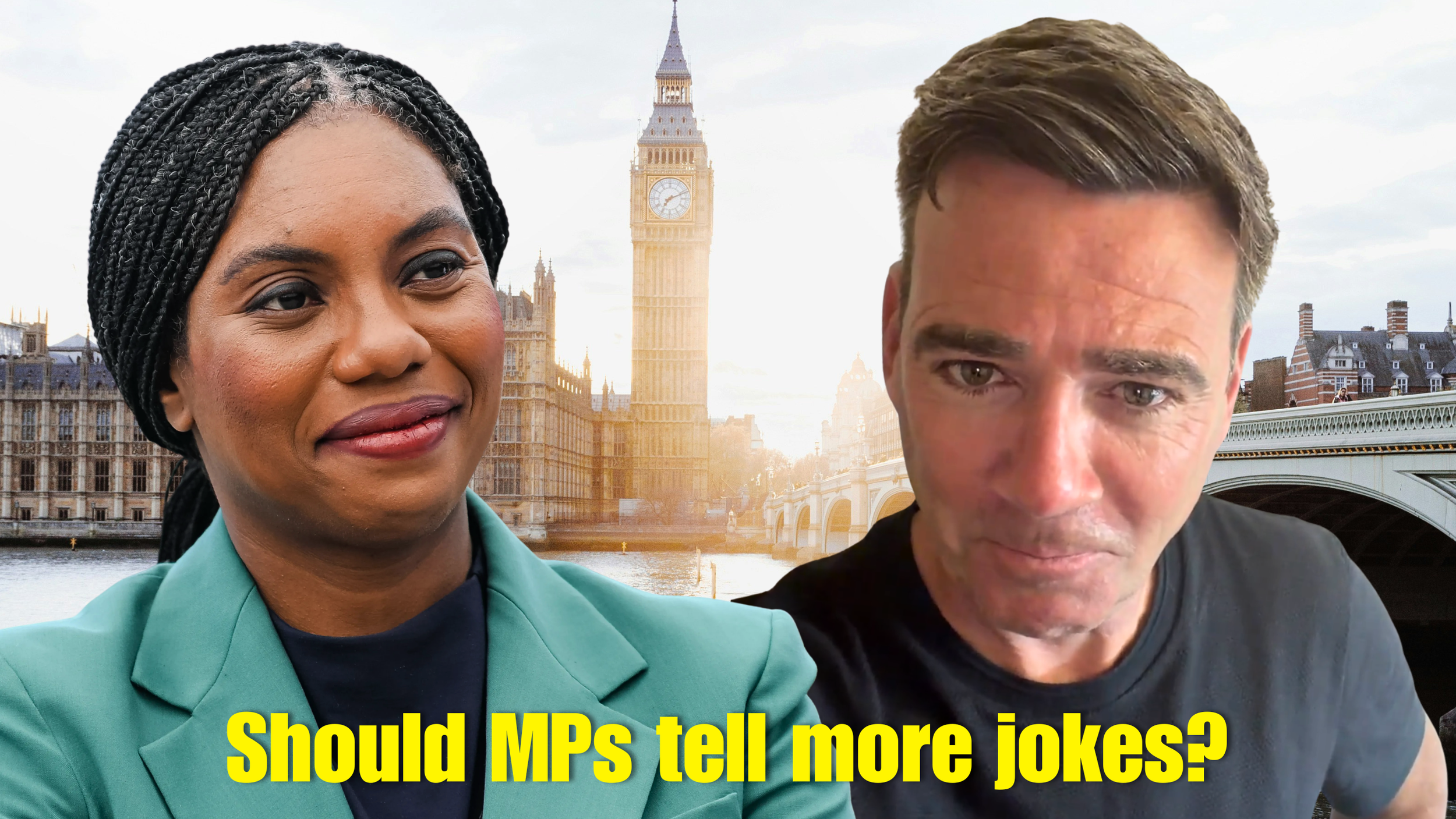
Political banter? Kemi Badenoch and Andy Burnham
They say comedy is tragedy plus timing.
Given today’s political banter over Kemi Badenoch’s ribbing of Andy Burnham, that he's “a pair of eyelashes and a black T-shirt” —and his dry correction that it was “dark blue actually” (with a well-timed bat of the eyelids, sans spectacles)—the timing couldn’t be better for an article published yesterday by Dr Simon Opher MP asking: Should MPs tell more jokes?
I think all MPs could benefit from comedy workshops. Reality TV culture, collapsing attention spans, immediacy-driven discourse, and swipe-left attitudes mean parliamentarians now operate in an environment where attention is the scarce resource. That requires sharper timing, clearer communication, and the ability to land ideas quickly before the audience moves on. Perhaps it's about time we moved from hateful, divisive speech to something sassier, wittier and a good deal funnier.
— Lu Jackson, Founder and CEO of Craic Health
In his latest op-ed, Dr Opher argues that humour isn’t just entertainment—it’s a serious tool for communication, connection, and healthcare outcomes. The article below was originally published at LaborList.
‘Have you heard the one about the doctor prescribing a good laugh?’
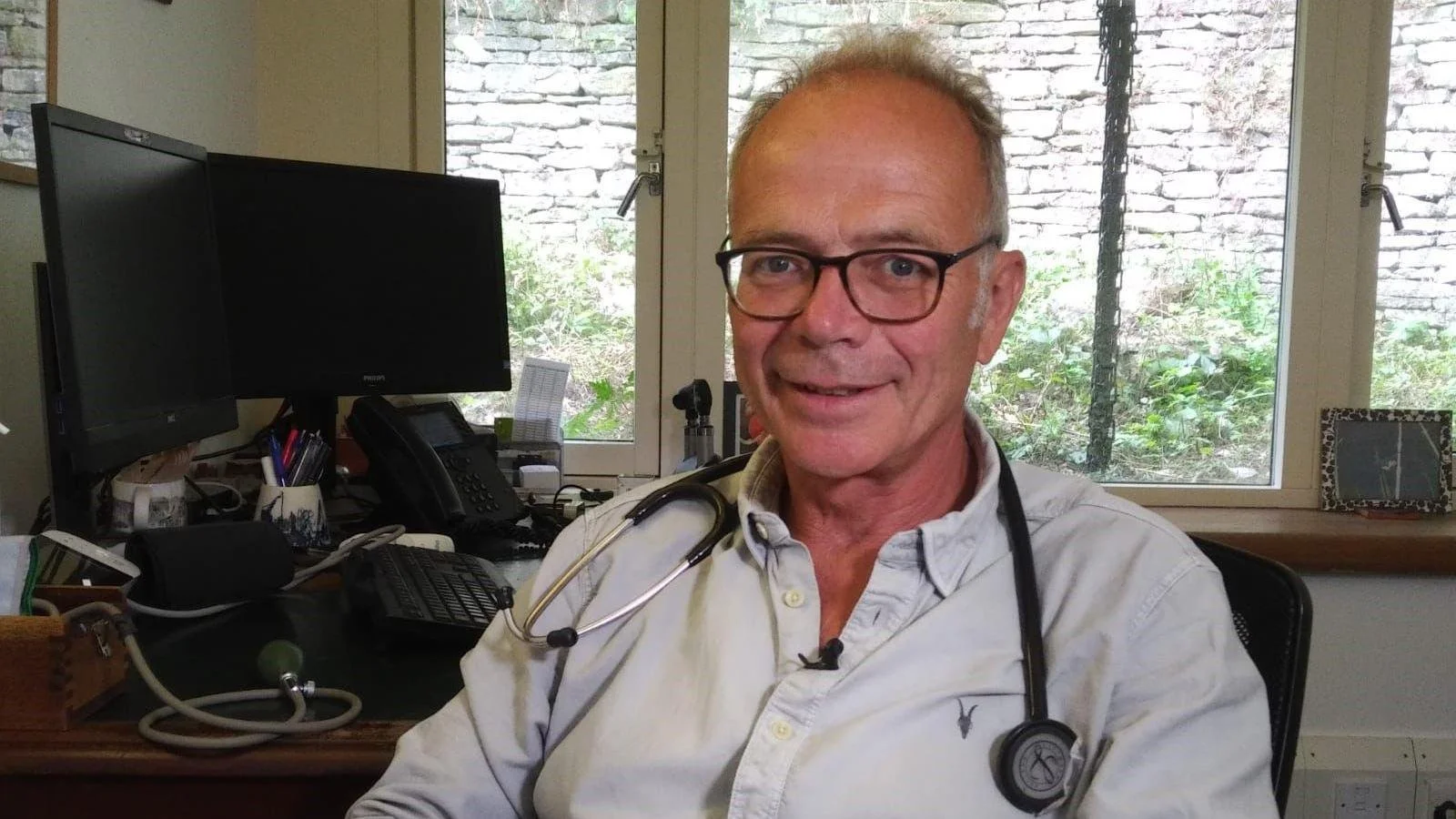
Dr Simon Opher MP
“Should MPs tell more jokes?
It might seem both trite and ever so slightly insulting to ask this when mental health in this country is in total meltdown and we are in the middle of a cost of living crisis.
However, an innovative intervention being introduced into the NHS is trying to see if comedy, and other creative solutions can improve our mental health, and avoid over prescription of antidepressant pills.
The facts remain grim. A million children are on mental health waiting lists, often waiting three years for a consultation. Nine million people in England alone take antidepressant medication (one in five of over 18s). Suicide remains the leading cause of death among men under 50, while mental ill-health is now the single biggest reason people are signed off work. Something is clearly going wrong.
So what is causing this crisis, and what can we do about it? A team of artists, comedians, doctors and parliamentarians believe we have part of the answer.
The causes of mental ill-health are complex and varied. Poverty and inequality are among the most significant drivers. Social isolation comes a close second and is often closely linked to deprivation. Other contributing factors include social media addiction, drug and alcohol misuse, workplace stress, the pressures of modern education and of course unemployment. With around 1.25 million young people not in education, employment or training, it is no surprise that rates of incapacity and long-term sickness continue to rise.
Traditionally, our response to mental illness has been largely medical. Faced with overwhelming demand and ten-minute appointments, GPs often have little choice but to prescribe medication.
But more and more people are recognising that this approach is not working. We have increasingly medicalised what are often social problems, leading to widespread over-medication. This carries its own risks, including difficult withdrawal symptoms and, for a small number of patients – an increased risk of suicidal thoughts.
The solution is not to abandon medicine, but to broaden our approach. We need to use the power of communities to help people leave their bedrooms, reconnect with others, engage in meaningful activities, find work, and rebuild social networks. The challenge is creating the vehicles that make this possible.
For many years, I have used creative arts and social prescribing. a referral to non-medical activities, in my GP practice in Dursley, near Stroud, which I now represent as an MP. What began with referring patients to artists working within the practice has expanded into a much wider range of opportunities, from allotments and gardening projects to singing groups, music-making, and more recently, comedy and football.
Together with Forest Green Rovers and the club’s owner, Dale Vince, we have developed a Football on Prescription scheme. GPs can prescribe either tickets to matches or participation in five-a-side football sessions. The results have been extremely encouraging, helping people combat loneliness, improve their physical health and reconnect with their communities.
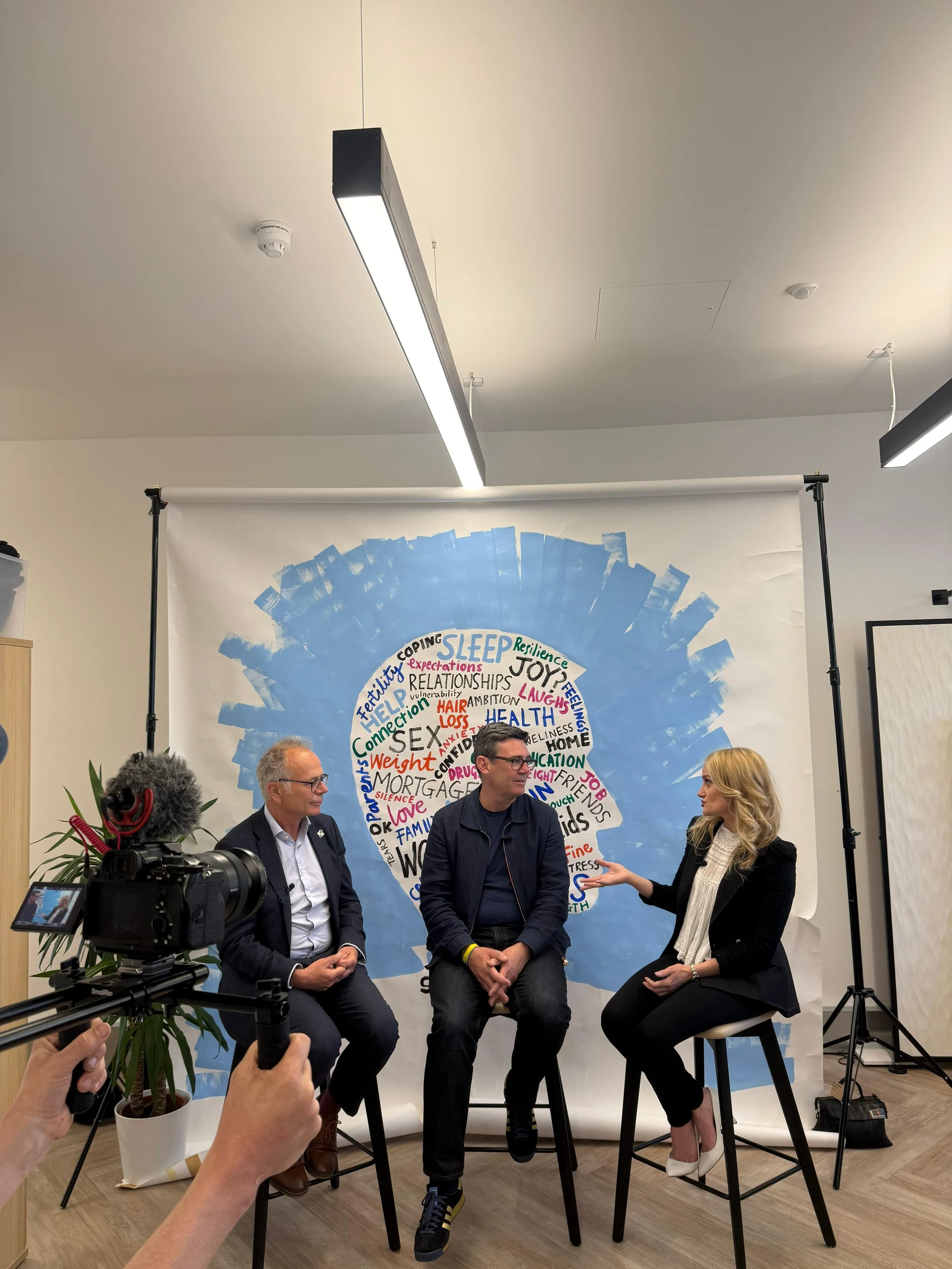
Dr Simon Opher MP, with Andy Burnham MP, and Lu Jackson, Craic Health’s Founder and co-producer of Simon Says, Let’s Talk.
Most recently, I launched the world’s first ever podcast on prescription where some attendees were literally prescribed tickets to attend live recordings of my men’s mental health podcast – Simon Says Let’s Talk. We were joined by Andy Burnham for our first episode.
Comedy, meanwhile, has rarely been considered a healthcare intervention. With the help of Lu Jackson of Craic Health, that is beginning to change. Comedy shows have successfully brought together isolated men, older people, military veterans, new mothers experiencing postnatal depression, and young people struggling with mental health challenges.
One particularly remarkable programme at University College London involved people with significant mental health difficulties learning stand-up comedy. The process helped build confidence, foster resilience, and encouraged participants to view their lives from a different perspective. The outcomes were extraordinary.
This brings us to our initial question: should MPs tell more jokes?
At the very least, it might make some of our speeches a little less dreary. There is considerable evidence that humour is a powerful communication tool. It captures attention, breaks down barriers, and makes audiences more receptive to ideas.
Deep down, we already know this. The best communicators are often the funniest.
And who knows? It might even cheer Parliament up a little.
So perhaps it’s time for Stand-Up Training for MPs.”
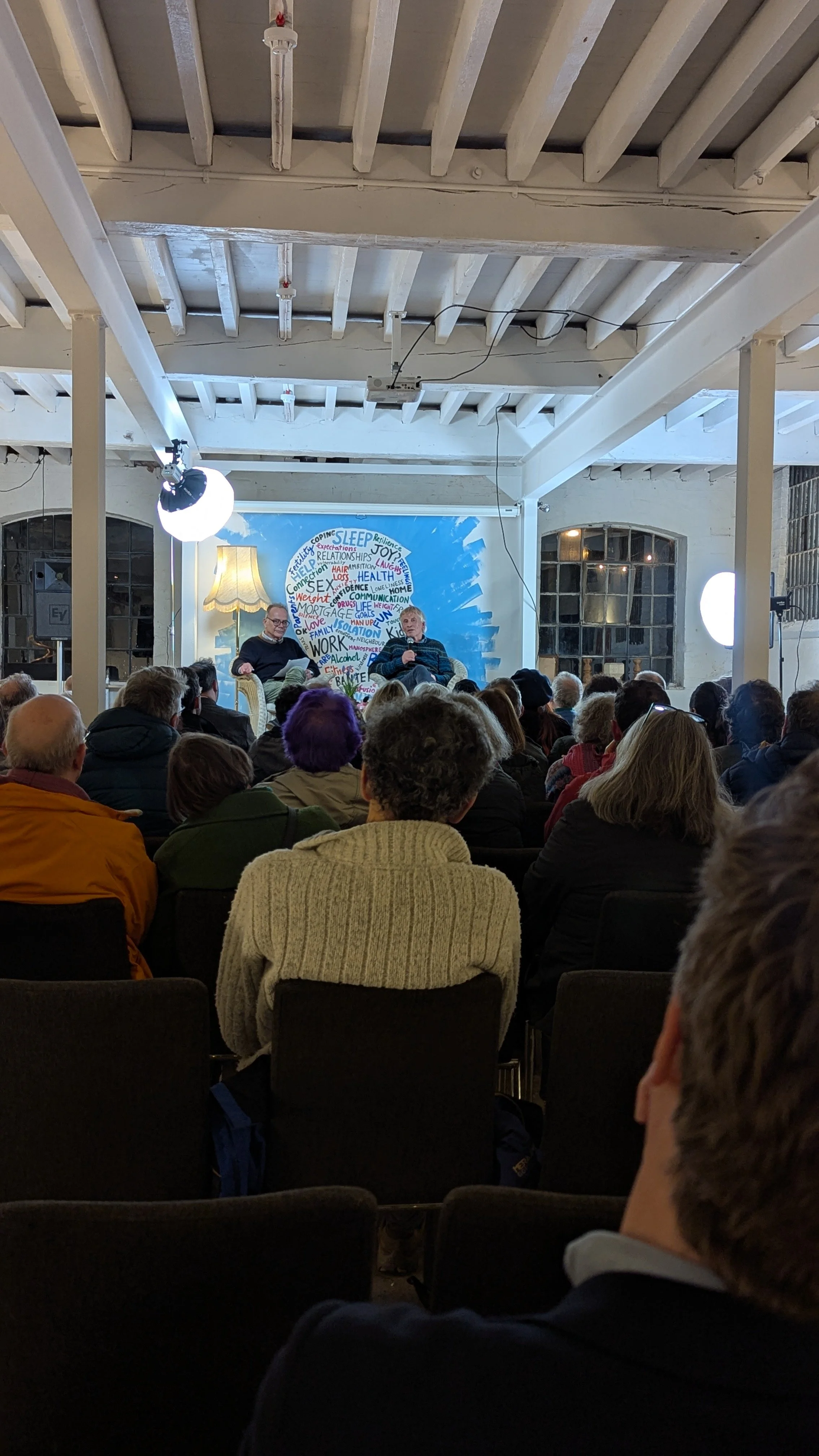
Dr Simon Opher MP interviews Dr Phil —a comedian and retired GP—on Simon Says, Let’s Talk.
Use the buttons below to read Dr Phil Hammond’s British Medical Journal article “Comedy as therapy” or watch his insightful and hilarious episode of Simon Says', Let’s Talk.